


An Essential Guide to Dry Needling Treatment
- Dr. Caroline

- Sep 11, 2025
- 10 min read
Understanding Dry Needling: A Modern Approach to Pain Relief
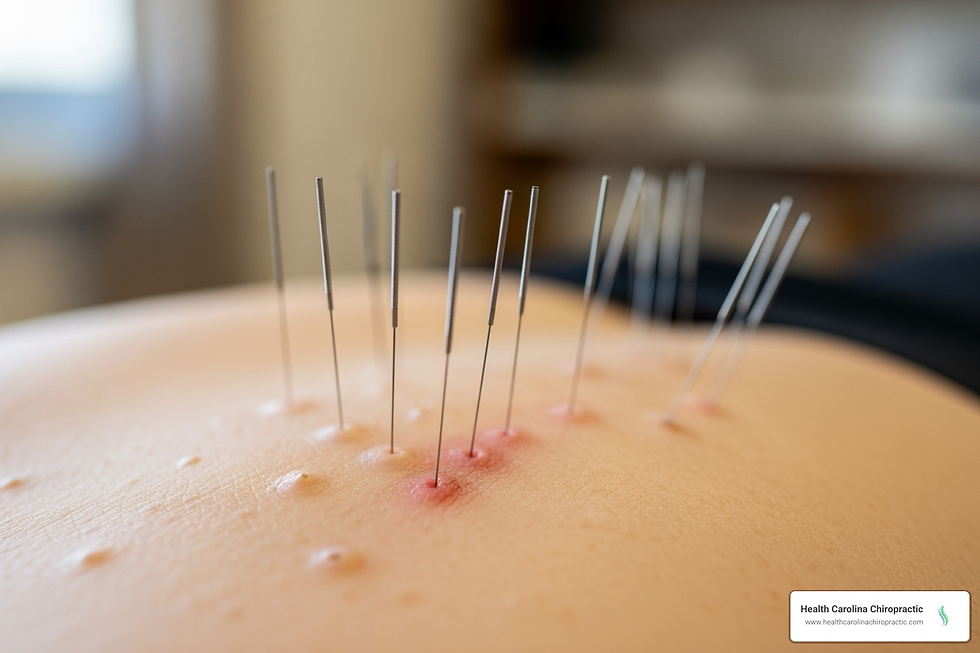
Dry needling is a treatment where trained healthcare providers insert thin, solid needles into muscle tissue to treat pain and movement problems. Unlike acupuncture, this approach is based on Western medicine and targets trigger points in muscles to provide relief.
Quick Facts About Dry Needling:
Uses thin, sterile needles without any medication or injection
Targets myofascial trigger points (knots) in muscles
Performed by physical therapists, chiropractors, and other trained professionals
Legal in 37 states and Washington, D.C.
Can help with back pain, neck pain, headaches, and sports injuries
Sessions typically last 10-30 minutes
Over 20 million Americans suffer from conditions that dry needling can help treat. This technique has gained popularity as a drug-free way to address stubborn muscle pain and movement issues.
The process works by stimulating trigger points—tender, knotted areas in muscles that cause local and referred pain. When a needle stimulates these spots, it often creates a "local twitch response," which helps reset the muscle and improve blood flow to the area.
At Health Carolina Chiropractic in Columbia, SC, we use dry needling in comprehensive treatment plans to help patients find relief and return to their favorite activities. For athletes with sports injuries or individuals with chronic neck pain, dry needling might be the key to better health.
Understanding Dry Needling: What It Is and How It Works
Dry needling uses incredibly thin filiform needles—about as fine as a human hair. These solid needles are inserted directly into muscle tissue using a technique called intramuscular stimulation. The "dry" part means no medication is injected; the needle itself does the therapeutic work.
Dry needling is built on Western medical principles, focusing on what modern science reveals about how muscles, nerves, and pain systems function, rather than energy meridians.
When muscles are overworked or injured, they can develop neurophysiological changes, becoming "stuck" in a painful, tight state. The needle helps trigger the body's natural pain relief mechanisms by stimulating specific nerve pathways and encouraging better blood flow to the problem area.

The Science: Myofascial Trigger Points and the "Twitch Response"
Myofascial trigger points are the stubborn, sensitive knots you can feel in your muscles. These are taut bands of muscle fibers that have become hypersensitive and irritated.
Trigger points can cause referred pain, meaning a knot in your neck could be the source of your headaches, or a trigger point in your hip could send pain down your leg. This explains why the source of discomfort isn't always where you feel it.
When a needle is inserted into an active trigger point, it often causes a local twitch response—a quick, involuntary muscle spasm. This involuntary spinal reflex is a positive sign that the correct spot has been targeted and the muscle is beginning to release.
This twitch response increases blood flow, bringing oxygen and nutrients while washing away inflammatory chemicals. Your brain also responds by releasing endorphins, your body's natural painkillers.
You can learn more about how these muscle knots work by checking out what the Cleveland Clinic says about trigger points.
How Dry Needling Differs from Other Techniques
Compared to traditional manual therapy, dry needling can reach deep trigger points that hands cannot access effectively.
The "dry" in dry needling means no substance is injected, setting it apart from "wet needling" procedures where doctors might inject steroids or other medications.
A common question is whether this is the same as acupuncture. While both use thin needles, the techniques are quite different. Dry needling focuses specifically on musculoskeletal pain and dysfunction, targeting trigger points based on a physical examination and modern anatomy.
Our approach is rooted in modern pain science. While some trigger points might overlap with traditional acupuncture points, we are not working with energy meridians or qi.

Advanced Technique: Electrical Dry Needling
An advanced technique is electrical dry needling, or intramuscular electrical stimulation (IMES). Two needles are used in the affected muscle, and a mild electrical current is passed between them, turning them into tiny electrodes. This gentle stimulation can improve the pain relief and muscle activation benefits of traditional dry needling.
The electrical current helps in different ways depending on the settings. Lower frequencies can help activate muscles that are weak or not firing properly. Higher frequencies are effective for reducing muscle spasticity and providing improved pain relief.
This technique can be especially helpful for chronic conditions or when extra muscle activation is needed for rehabilitation. The combination of needle stimulation and gentle electrical current often provides faster, more lasting results. At Health Carolina Chiropractic, we choose the approach that's right for your specific condition and comfort level.
The Benefits and Applications of Dry Needling Treatment
Dry needling can be a game-changer for stubborn musculoskeletal conditions because it targets the source of the problem: tight, irritated trigger points. By releasing these points, the technique helps the body heal itself.
Patients often first notice reduced muscle tightness, followed by increased blood flow to areas that were starved of proper circulation. This leads to improved pain control and improved range of motion, which means you can finally reach that top shelf or turn your head without wincing.
Faster rehabilitation is another significant benefit. When muscles function normally again, patients can return to their exercise routines and daily activities much sooner. The reduced muscle tension creates a positive cycle of less pain, better movement, and continued healing.
Dry needling works best as part of a comprehensive approach. We typically combine it with exercises, stretching, and other therapies to provide long-lasting relief and prevent trigger points from returning.
Conditions Commonly Treated with Dry Needling
Dry needling is versatile and can help with a wide range of conditions involving muscle, ligament, or tendon pain.
Low back pain: Tight muscles in the lower back often respond beautifully to trigger point release.
Neck pain: This treatment is effective for tension from poor posture or whiplash injuries.
Headaches and migraines: Addressing trigger points in the neck and shoulder muscles can reduce headache frequency.
Shoulder impingement: Restoring proper muscle function around the shoulder joint can improve rotator cuff issues.
Tennis elbow and golfer's elbow: Relaxing forearm muscles can help athletes get back in the game.
Plantar fasciitis and Achilles tendinitis: Addressing tight calf muscles often helps relieve foot pain.
Sciatica: Releasing tight gluteal and piriformis muscles can take pressure off the sciatic nerve.
TMJ dysfunction: This technique can address the jaw muscle tension that contributes to discomfort.
Sports injuries: It helps athletes recover from muscle strains and return to peak performance faster.
The Evidence: What Research Says About Effectiveness
At Health Carolina Chiropractic, we use treatments backed by solid science. Dry needling has a growing body of research supporting its effectiveness for many conditions.
Scientific research shows particularly promising results for low back pain, with multiple studies demonstrating moderate evidence for pain reduction. Several systematic reviews indicate that patients typically experience meaningful improved pain control and reduced disability in the weeks following treatment.
One comprehensive systematic review on dry needling effectiveness found that dry needling consistently outperformed no treatment or fake needling for reducing pain and muscle sensitivity. Most patients see these short-term benefits within the first few weeks.
Research shows excellent results for immediate to 12-week pain relief, but evidence for long-term effects when used alone is still developing. This is why we emphasize combining it with exercises and other therapies for lasting relief, not just a temporary fix.
The evidence also shows that while dry needling is highly effective, it often works as well as other quality physical therapy treatments. It is another excellent tool we can use in a combination of treatments that works best for your specific situation.
Your Session: What to Expect from Start to Finish
Understanding the process of dry needling can help ease any concerns. Your first visit begins with a thorough initial consultation. We will discuss your medical history, current symptoms, and how they affect your daily life. This conversation helps us understand your unique situation and determine if dry needling is the right choice.
Together, we'll create a personalized treatment plan that might include dry needling alongside other therapies like chiropractic adjustments or therapeutic exercises. This combined approach helps ensure the best outcomes.
Most dry needling sessions are quick, with a session duration of 10 to 30 minutes, depending on the number of areas being treated. We maintain open communication with your therapist throughout the process to ensure your comfort and answer any questions.

Finding a Qualified Practitioner for Dry Needling
Since dry needling is an invasive procedure, choosing a provider with proper training and qualifications is essential for your safety and for achieving desired results. Qualified practitioners typically include physical therapists and chiropractors who have received specialized training.
Dry needling follows state-specific regulations, and it's currently approved in 37 states and Washington, D.C. State laws determine which professionals are permitted to perform it.
At Health Carolina Chiropractic, our practitioners have extensive education in anatomy and the musculoskeletal system, which is supplemented by specialized postgraduate training.
These certification requirements ensure they have the skills for safe and effective treatment. When seeking treatment, always verify your provider's training to minimize risks and maximize results.
For more information, check out this helpful APTA information for consumers resource.
During and After Your Treatment
During your treatment, you may feel a slight prick upon needle insertion, though some feel nothing. The primary sensations during treatment occur when the needle hits a trigger point, causing muscle twitching known as a "local twitch response." This may feel like a brief, deep ache or cramp, which is a sign the treatment is targeting the correct area.
Your therapist might gently move the needle to encourage this response. A dull ache in the area is also normal. Needles typically stay in place for a few seconds up to 20 minutes, depending on the treatment goals.
After your treatment, it is common to experience some post-treatment soreness or tenderness, similar to what you might feel after a workout. This discomfort usually lasts 24 to 48 hours. Bruising at the needle site is also possible and can last up to a week. You might also feel some muscle fatigue as your body begins the healing process.
We provide specific aftercare instructions, which generally include staying well-hydrated and performing gentle stretching. Gentle movement can help speed up recovery. Hydration is important for flushing out inflammatory byproducts.
Potential Risks and Who Should Avoid This Treatment
While dry needling is very safe, it's important to be aware of potential risks. Minor side effects are common and resolve quickly. These include soreness, tenderness, bruising, and muscle fatigue at the needle site.
Serious side effects are rare but can include infection (minimized with sterile needles and proper technique), bleeding, or, in extremely rare cases, pneumothorax (a collapsed lung) if needling occurs near the chest wall. This is why proper training and anatomical knowledge are crucial.
Certain people should avoid dry needling. Contraindications include:
Pregnancy, especially the first trimester
Significant needle phobia
Bleeding disorders or use of blood thinners
Active skin infections in the treatment area
Compromised immune systems
Recent surgery in the area
Unstable epilepsy or severe vascular disease
Children under 12 and anyone unable to provide informed consent should also avoid this treatment. We recommend consulting your primary care doctor before starting dry needling, especially if you have underlying health conditions. Our team will conduct a thorough assessment to ensure it is safe and appropriate for you.
If you experience shortness of breath after a session, call 911 immediately. Your safety is our top priority at Health Carolina Chiropractic.
Frequently Asked Questions
We often receive questions about dry needling. Understanding the treatment can help you feel more comfortable and prepared.
Is dry needling painful?
Patient experiences vary, but most discomfort is minimal and brief. Upon needle insertion, you may feel a tiny prick or nothing at all. The main sensation occurs when the needle stimulates a trigger point, causing a "local twitch response"—an involuntary muscle spasm. This can feel like a momentary deep cramp or ache. Many patients describe this as a "good pain" because it signals that the muscle is releasing.
After your session, you will likely have some soreness in the treated area, similar to post-workout muscle soreness. This typically lasts 24 to 48 hours. Open communication with your therapist during treatment is key to managing your comfort.
Is dry needling legal and regulated in every state?
The legality and regulation of dry needling vary by state. It is currently approved in 37 states plus Washington, D.C., but each state determines which professionals can perform it and the required training.
Some states permit physical therapists to perform dry needling, while others may allow chiropractors, acupuncturists, or medical doctors. It is important to ensure your practitioner is properly licensed and trained according to your state's specific laws.
Here in South Carolina, the practitioners at Health Carolina Chiropractic are fully licensed and trained to provide dry needling within our state's legal framework. Always check a provider's qualifications before booking an appointment.
Is dry needling covered by insurance?
Insurance coverage for dry needling varies widely. Some private insurance plans cover it, especially as part of a broader physical therapy treatment plan, while others do not. Medicare and Medicaid currently do not pay for dry needling services, so patients may need to pay directly.
Because every plan is different, we recommend calling your insurance company before your first appointment. Ask them about coverage for dry needling or trigger point therapy using the CPT codes we can provide.
Even if your insurance doesn't cover it, we can often provide a detailed receipt (a "superbill") that you can submit for potential reimbursement. It's best to understand any out-of-pocket costs ahead of time.
Conclusion: Is Dry Needling Right for You?
Dry needling has helped many people find relief from stubborn muscle pain, but it's important to determine if it's right for your unique situation. It is a drug-free approach rooted in Western medicine that addresses the source of muscle dysfunction by increasing blood flow and resetting the muscle.
However, dry needling is not a standalone cure. At Health Carolina Chiropractic, we integrate it into a comprehensive treatment plan that may include chiropractic adjustments, exercises, and stretching. This integrated approach is key to achieving lasting results, not just temporary relief.
If you're dealing with chronic neck pain, low back issues, recurring headaches, or sports injuries, dry needling might be what your body needs. Research shows it can be particularly effective for these types of musculoskeletal conditions.
Of course, dry needling isn't right for everyone. If you have a fear of needles, certain medical conditions, or are pregnant, we will explore other effective treatment options.
The best way to know if dry needling could help you is to have a thorough evaluation with our experienced team. We'll listen to your story, assess your condition, and create a personalized plan to meet your goals.
If persistent pain is keeping you from living your life fully, we are here to help you reclaim your comfort and mobility.
Contact us for a consultation to see if dry needling can help you. Our Columbia, SC team is ready to answer your questions and help you take the next step toward feeling your best again.


Comments